Study Spanish Trail Learn Spanish in South America




LEARN SPANISH IN VENEZUELA: Top Schools & Travel Guide
Due to the current political situation we do not recommend visting Venezuela
Travel to Venezuela
Learn Spanish in Venezuela, a place where nature puts on its best show, and every corner feels like an adventure waiting to happen. From Caribbean beaches to towering mountains and cascading waterfalls, this country is all about jaw-dropping beauty and vibrant culture.
Kick things off in Caracas, the bustling capital tucked beneath the majestic Ávila Mountain. Take a stroll through El Hatillo, a colorful colonial neighborhood filled with art, music, and amazing food. For a view you won’t forget, hop on the Caracas Cable Car and soak in the panoramic vistas of the city and mountains.
If beaches are your thing, Venezuela’s coastline will blow you away. Margarita Island is perfect for lounging on golden sands or dancing the night away, while the Los Roques Archipelago feels like stepping into a postcard. Think crystal-clear waters, coral reefs, and a sense of serenity that’s hard to find anywhere else.
And then there’s Angel Falls. Located in Canaima National Park, it’s the tallest waterfall in the world and so stunning it almost doesn’t look real. The park itself is an adventurer’s paradise, with its unique tepui rock formations and lush landscapes.
For a mountain escape, head to Mérida in the Andes. This charming city is a base for hiking, paragliding, and exploring the Sierra Nevada National Park. Don’t miss the Mérida Cable Car, one of the highest in the world, for views that will leave you speechless.
Venezuelan culture is the heartbeat of the country. Dance to the lively rhythms of salsa and merengue, and treat yourself to local favorites like arepas, cachapas, and pabellón criollo. Every bite and every beat is a celebration of life here.
Despite its challenges, Venezuela’s natural wonders and warm, welcoming people make it a destination that’s impossible to forget.
Whether you’re chasing waterfalls, relaxing on a beach, or exploring vibrant cities, Venezuela is ready to show you its magic.
There’s almost nothing you can’t do in this paradise on earth and Venezuela will surprise you in every way possible. Table mountains, ocean, deserts, rainforest and, of course, the food. Are you ready to explore?
What to See & Do While Studying in Venezuela
6 Incredible Reasons You must visit
1. Caracas: Exploring the Capital from Mount Ávila
Caracas, although famed as one of the most dangerous cities in the world, can be visited safely by taking a few precautions - hire a trust-worthy driver, avoid the barrios (favelas), keep your wits about you and pack a positive attitude for your exploration of this exciting city
Hop onto the comfortable cable car to get the best view of the city from mountain Avila. From up high you can really see how hilly and alpine the backland of the capital really is.

2. Los Roques: Snorkeling & Diving in the Caribbean
The Caribbean archipelago of Los Roques is only a short flight away from Caracas and the place to get active with most activities involving the ocean. It is a heavenly place for snorkelers and divers thanks to the combination of great visibility, a huge range of colorful fish and sea-life, warm water temperatures and close-by dive spots.
Those of you who’d rather soak up the sun on the beach will find plenty of smaller islands for a more relaxing trip. The chances are that you’ll have it all to yourself for the day, save for the occasional vendor offering cute necklaces and fresh seafood for sale.
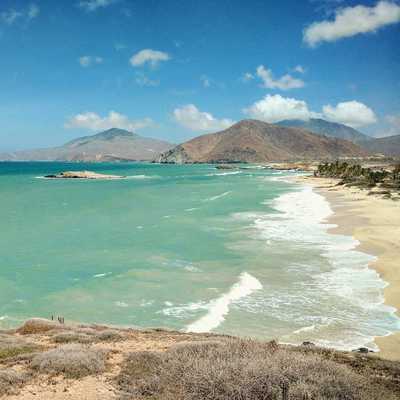
3. Isla Margarita: Caribbean Beaches & Spanish Study
The Island of Margarita has been on the tourist radar for many years now and it is still amongst the most popular destinations within Venezuela.
Discover the national parks by taking a boat ride through mangroves at La Restinga, have an exciting day at the water park or hang out on one of the amazing beaches. Surf at famous El Yaque beach, gather more information about the ocean at Museo Marina or fulfill a dream by riding off into the sunset on a horse. For those of you with a sweet tooth make sure to visit the shop “El mundo de los chocolates” in Porlamar.

4. La Gran Sabana: Exploring Tepuis & Ancient Landscapes
The Great Savannah, situated in the Southeast of the Venezuela, stretches to the border of Brazil. Being part of the Canaima National Park, which is the second largest in Venezuela, makes it even more spectacular. The uniqueness of the Gran Sabana, with its great tepuis (platform rocks) rising high into the sky, makes it the perfect for outdoor lovers. Make sure to get a certified guide and prepare for a multiple day hike.
But it’s not only the mountains that are stunning - the wide savannah and rivers and waterfalls like the Aponwao falls are worth a visit in their own right.

5. Angel Falls: Visiting the World's Tallest Waterfall
From Canaima National Park take time to visit the world’s highest waterfall, Angel Falls. With a height of 3,211 feet, the water trickles over the edge of table mountain Auyan Tepui all the way down to earth. Consider this: it’s 15 times higher than Niagara Falls.
If you’re looking for a change of perspective, take a helicopter ride over table mountain Auyan. Otherwise, hike through the jungle, bathe in the lap of the Angel Falls, and prepare a meal together with the indigenous people.

6. Venezuelan Cuisine: Traditional Arepas & Pabellón
Venezuelan’s cuisine surely isn’t the healthiest but it’s definitely one of the tastiest.
The national food is arepas. Made of corn flour and most commonly stuffed with meat or cheese, there are no limitations to what you can put in an arepa.
Pabellón criollo, a plate of rice, fried plantain, beans and shredded beef, is one of the most loved dishes in Venezuela while cachapa is also popular; a style of pancake made with maize that has a sweet taste but is most-commonly served with cheese.
Venezuela Travel Itineraries for Spanish Language Students
4 Customized Routes to travel and learn Spanish in VenezuelaNo matter how much time you have to explore Venezuela it won’t be enough to see it all. Take your time to study Spanish in Venezuela but also to get to know the country and the people.
1 - Rapido Travel

For those of you that don’t have much time but still want to see the best of Venezuela try this route:
Caracas – Los Roques – Margarita – Puerto Ordaz – Gran Sabana – Angel Falls – Puerto Ayacucho
Recommended
Spanish School
Here's our pick for the best Spanish School in Maracas, Venezuela.
2 - Tranquilo Travel

Venezuela is full of possibilities and if you have more than a month to spend in the country, try this all-encompassing route.
Caracas – Los Roques – Lecheria – Mochima – Isla Margarita – Carupano – Maturin – Puerto Ordaz – Gran Sabana – Angel Falls – Ciudad Bolivar – Puerto Ayacucho – Los Llanos – San Cristobal – Merida - Maracaibo – Medanos de Coro - Valencia – Chichiriviche – Santa Teresa – Colonia Tovar - Caracas
Recommended
Spanish School
Here's our pick for the best Spanish School in Maracas, Venezuela.
3 - For Beach Lovers

Venezuela’s coast is enormous and most of the beaches are well conserved and clean. It can happen that you’ll get to an island and have it just for yourself. Many beaches are only accessible by boat without any scheduled departures. Look out for small taxi boats and agree on a time to pick you up again.
Chichiriviche – Morocoy – Los Roques - Mochima – Isla de Margarita
Recommended
Spanish School
Here's our pick for the best Spanish School in Maracas, Venezuela.
Essential Travel Tips for Your Venezuela Trip
Practical Info for Students & TravelersSafety & Local Advice
Venezuela has significant safety challenges. Stay informed about the current situation and follow local advice. Stick to tourist-friendly areas, avoid traveling at night, and use trusted transportation options like private transfers or reputable ride-hailing apps.Local Etiquette and Culture
Venezuelans are warm and welcoming. Always greet with “buenos días” or “buenas tardes,” and be respectful when discussing sensitive topics like politics. Spanish is essential, as English is not commonly spoken outside major hotels or tourist areas, so learning some Venezuelan Spanish phrases is essential.Currency & Payment
Venezuela uses the Bolívar, but USD is often accepted in many areas. Cash is essential as credit cards are not widely accepted, and ATMs can be unreliable. Bring small denominations of USD for easier transactions.Weather & Packing Considerations
Venezuela's climate varies depending on the region. The lowlands and coastal areas are hot and humid, while the Andes are cooler. Pack lightweight clothing for the tropics, but include a jacket or sweater for visits to higher altitudes, such as Mérida. Always carry insect repellent and sunscreen, especially for jungle or beach destinations. Leave valuables at home.Where to explore after Venezuela? Visit our comprehensive itineraries and country guides!
1, 3 & 6 monthItineraries
Learn Spanish in these 8 Countries


