Study Spanish Trail Learn Spanish in South America





LEARN SPANISH IN URUGUAY: Top Schools & Travel Guide
Travel to Uruguay
Uruguay might be small, but don’t let its size fool you - it’s packed with charm, beauty, and experiences that’ll make you fall in love. You'll want to stay a while as you learn Spanish in Uruguay.
Sandwiched between Brazil and Argentina, this little gem has it all: vibrant cities, stunning beaches, and a laid-back vibe that feels like a warm hug.
Montevideo is where your adventure begins. The capital effortlessly blends old-world charm with a modern, artsy edge. Stroll along the Rambla, a gorgeous coastal promenade, or dive into the cobblestone streets of Ciudad Vieja, where colonial buildings and bustling markets tell the city’s story. Sunday markets are a must for antiques, street food, and soaking up the local energy.
Just a ferry ride away from Buenos Aires is Colonia del Sacramento, a dreamy little town with cobblestone streets and pastel-colored houses. Rent a bike, explore the historic bullring, and relax on its peaceful beaches - it’s the perfect escape from the hustle and bustle.
Beach time? Punta del Este is calling. Known as Uruguay’s version of the French Riviera, it’s all golden sands, chic resorts, and a nightlife that knows how to party. For something quieter, head to José Ignacio, where boutique shops and cozy cafes create a charming retreat.
Wine lovers, you’re in for a treat. Uruguay’s wine scene is on the rise, with boutique wineries offering tastings of their unique varietals, including the country’s famous Tannat reds. Picture yourself sipping wine with views of the countryside - it’s pure bliss.
Whether you’re exploring Montevideo’s vibrant streets, soaking up the sun on Punta del Este’s beaches, or enjoying a glass of wine in the rolling hills, Uruguay has a way of making you feel at home.
Uruguay is cozy, welcoming, laid-back and full of surprises; trust us, you’ll never want to leave.
Best City to Learn Spanish in Uruguay

Montevideo
Student life in the Uruguayan capital is defined by its "tranquilo" pace and high quality of life. As a student, your daily routine will likely center around the Rambla, the world's longest continuous sidewalk, where locals gather at sunset with their mate kits to socialize and exercise. You’ll find a sophisticated but relaxed atmosphere in neighborhoods like Parque Rodó and Pocitos, which are filled with student-friendly cafés, lush parks, and a thriving arts scene.
While the city feels safer and more manageable than other major capitals, its culture is vibrant, especially during the 40-day Carnival season, when the streets fill with the rhythmic beats of candombe drumming. It is the perfect destination for students who want a stable, safe environment that blends European architectural charm with a uniquely laid-back South American soul.
While Montevideo offers a peaceful base for your studies, the rest of Uruguay is a hidden gem waiting to be discovered. From the cobblestone colonial charm of UNESCO-listed Colonia del Sacramento to the glamorous beaches and wild Atlantic coastlines of the east, this small country is easy to navigate and full of surprises.
To help you plan your weekend escapes, here are our top recommendations for exploring the best of Uruguay.
What to See & Do in Uruguay
9 Incredible Reasons You must visit
1. Montevideo: Spanish Immersion in the Capital
Montevideo is Uruguay’s capital, economic hub, and where almost half of Uruguayos call home. This vibrant city gives you an opportunity to see the country’s cosmopolitan side - without the hurry.
Head to Ciudad Vieja, make new friends at the boliches (corner bars), sipping on a medio y medio (half white wine, half champagne). And don’t forget to watch a passionate show of authentic tango while savoring traditional cuisine.

2. Colonia del Sacramento: Historic UNESCO Heritage
With its cobblestone streets, crumbling colonial architecture, and horse-drawn carriages, it’s no wonder that Colonia de Sacramento is a UNESCO site. Located on the southwestern coast of Uruguay, along Rio de la Plata, Colonia was the country’s first colonized city.
Bicycle down the promenade until the sun sets, or enjoy a merienda with café and sweets. Climb the stairs to the top of the Faro (lighthouse) for panoramic views of the town and its river.

3. Valle del Lunarejo: Uruguay’s Lush Northern Wilderness
Escape the coast and head north to the Valle del Lunarejo National Park. This protected area is a paradise for hikers and nature lovers, featuring deep ravines, scenic waterfalls, and dense subtropical forests. It is the perfect destination to experience Uruguay’s wilder side and practice your Spanish with the welcoming local rural communities.

4. The Gaucho Interior: Rural Traditions & Mate
While it progresses, Uruguay’s heart is still in the campo, or country. Enter the interior to discover cattle ranches, green rolling hills, and excellent cuisine.
To see what gaucho life is like, stay at an estancia turística (tourist farm). For the real deal, stay at Estancia Panagea in Tacuarembó and be prepared to work! If you’re there in early March, don’t miss celebrating La Patria Gaucha (The Gaucho Nation).
5. Uruguayan Cuisine: Traditional Asado & Chivito
Uruguay has some of the best - and biggest - parrilladas (open-fire grills) in the world. Chivito, the national dish, is a sandwich made with churrasco beef, cheese, mayonnaise, a fried egg, and ham. Also notable are the asado de tira (barbequed ribs) and morcilla dulce (sweet blood sausage).
If you’re not feeling carnivorous, try an empanada (stuffed turnover) or a torta frita (fried cake) with dulce de leche (caramelized sweet milk).

6. Rio de la Plata: Birdwatching & Nature Tours
In the indigenous language, Guaraní, Uruguay means “river of painted birds.” Its location along Rio de la Plata makes it an excellent area for birdwatching.
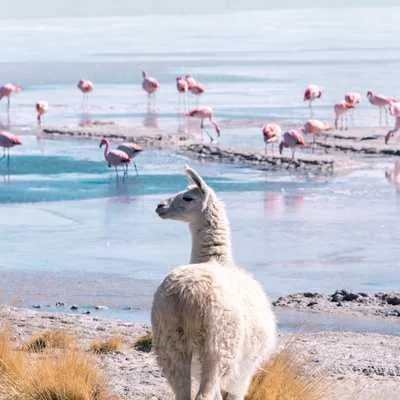
Witness the beauty of the national bird, the southern lapwing, as well as flamingos, mockingbirds, tropical kingbirds, and other native species. José Ignacio is particularly popular for its birdwatching opportunities.

7. Villa Serrana: Scenic Hiking & Lakeside Views
Head to the peaceful lakeside village of Villa Serrana for beautiful views and respite from city life and hard work on the farm.
If you like to keep active, there are plenty of scenic trails to hike or horseback ride. Don’t miss the nearby waterfall, Salto del Penitente.

8. Isla de Lobos: Marine Wildlife & Sea Lion Colonies
Witness one of the world’s biggest populations of sea lions just 5 miles off the coast of Punta del Este.
Isla de Lobos is a rocky island that is home to over 180,000 sea lions. Elephant seals and a variety of birds also populate the island.

9. Carnaval: Afro-Uruguayan Rhythms & Traditions
Uruguay’s extravagant carnaval might be the country’s best kept secret. The centuries-old tradition began as a way for all people in Uruguay - the indigenous, European, and African - to leave behind their differences and celebrate as one.
From January to March, Uruguayans dress in costume, dance, drink, and revel in joy.
Uruguay Travel Itineraries for Spanish Language Students
4 Customized Routes to travel and learn Spanish in UruguayThe suggested itineraries below vary from two weeks to over a month in Uruguay. You might end up never leaving!
1 - Rapido Travel

Uruguayos don’t like to rush, but with two weeks or less, you’ll doubtlessly be left wanting more. Thankfully, Uruguay is a small country, and easy to navigate.
Montevideo – Colonia de Sacramento – Cufré (stay at an estancia turística) – José Ignacio (birdwatching) – Punta del Este – Montevideo
Recommended
Spanish School
Here's our pick for the best Spanish School in Montevideo, Uruguay.
Academia UruguayMontevideo
2 - Tranquilo Travel

From its vibrant capital to charming coastal towns and peaceful countryside retreats, this is the ultimate Uruguayan itinerary - plan for at least a few weeks to truly immerse yourself in the relaxed pace of local life.
Montevideo – Colonia de Sacramento – Isla Lobos - Tacuarembó - Canelones - VIlla Serrana - Punta del Diablo – José Ignacio (birdwatching) – Punta del Este – Montevideo
Recommended
Spanish School
Here's our pick for the best Spanish School in Montevideo, Uruguay.
Academia UruguayMontevideo
Essential Travel Tips for Your Uruguay Trip
Practical Info for Students & TravelersRelaxed Atmosphere & Local Customs
Uruguay is known for its laid-back lifestyle. Embrace the slower pace of life and enjoy traditional customs like sipping "mate," a herbal tea locals often carry. Be polite and greet people with a handshake or kiss on the cheek, depending on the context. Some Uruguayan Spanish phrases would be appreciated.Cuisine & Dining Tips
Uruguayans are proud of their "asado" (barbecue). Try the local beef and "chivito" (a famous sandwich). Tipping in restaurants is not obligatory but appreciated (around 10%). Note that many establishments close during siesta hours, so plan your meals accordingly.Transportation & Exploring the Coast
The coast of Uruguay is a highlight, with popular destinations like Punta del Este, Colonia del Sacramento, and Montevideo. Renting a car is the best way to explore the beaches and smaller towns. Public buses are affordable and reliable for intercity travel.Seasons and Packing Essentials
Uruguay’s seasons are opposite to those in the northern hemisphere. Summer (December to March) is ideal for beaches, while winter (June to August) is cooler and quieter. Pack sunscreen, a swimsuit, and light clothing for summer, and layers for cooler weather.Where to explore after Uruguay? Visit our comprehensive itineraries and country guides!
1, 3 & 6 MonthItineraries
Learn Spanish in these 8 Countries

